Physical Address
304 North Cardinal St.
Dorchester Center, MA 02124
Physical Address
304 North Cardinal St.
Dorchester Center, MA 02124

ChatGPT Plugins are changing how people and businesses use artificial intelligence today. To understand their importance let us begin with a short story. A small startup once launched a simple chatbot that could only answer basic questions. At first this was enough and users enjoyed the quick replies. Soon customers started asking for more. They wanted the chatbot to manage bookings, translate messages, and track orders. The team became worried because building each feature from scratch would take months of work and more money than they had.
During a late night meeting one developer suggested trying plugins. Instead of creating everything themselves they could connect the chatbot to outside tools. Within a short time the chatbot could book appointments, send updates, and work with different apps. Customers were impressed and the product suddenly became more valuable. The success of plugins showed the team how powerful this idea could be.
Today the same concept is transforming artificial intelligence with ChatGPT Plugins. These plugins make ChatGPT more than a tool for simple conversations. They allow users to link ChatGPT with real world services such as calendars, shopping platforms, and business software. This connection turns ChatGPT into a complete assistant that can both understand language and take action.
For developers the opportunity is even bigger. Building ChatGPT Plugins means reaching a global audience and creating solutions that solve real problems. The ecosystem is expanding quickly and developers are at the center of it. In the next sections this blog will share seven clear reasons why ChatGPT Plugins are the best choice for developers today.

ChatGPT Plugins are tools that make ChatGPT more powerful. ChatGPT on its own is able to understand questions and give answers. When plugins are added, it can connect with other services and complete real tasks. For example, a plugin can allow ChatGPT to search live data, check the weather, book a hotel, or read a document. This makes ChatGPT not only a conversation tool but also a practical assistant.
The idea is similar to other plugin types we already use in software. A plugin in a web browser might block ads, play videos, or store passwords. These plugins add features without changing the browser itself. ChatGPT Plugins work in the same way. They give ChatGPT new skills and allow users to do more with simple requests.
The concept of plugin AI has existed on different platforms before. Many programs allow developers to add plugins to extend what the program can do. Music programs use plugins to add sound effects. Browsers use plugins to improve security and speed. What makes ChatGPT Plugins unique is how they connect normal language with actions. A person can give a simple instruction and the plugin will respond by doing the task. There is no need for special coding or technical knowledge. This makes ChatGPT easier to use and more practical than many other tools.
The ChatGPT Plugin Store has made it simple for people to find and install plugins. Just like app stores on mobile phones, it gives users a single place to discover useful tools. Developers can publish their plugins and reach people worldwide. Businesses and individuals can select from many plugin types to match their goals.
For developers this ecosystem creates strong opportunities. They can share their plugins, grow their audience, and even build income. With the support of ChatGPT OpenAI, the number of plugins and users is rising fast. This combination of developer creativity and wide user access shows why ChatGPT Plugins are becoming an important part of artificial intelligence today.

For every developer, the rise of ChatGPT Plugins has opened new possibilities. In the past, developers often needed to build complex systems to reach users, but with ChatGPT OpenAI, the process is easier and faster. Developers can now focus on creating small but powerful plugins that connect directly with millions of ChatGPT users around the world. This gives them immediate access to a global audience without the heavy cost of marketing or building a full product from scratch.
Another reason developers should care is the growth of the ecosystem itself. As more users adopt ChatGPT, the demand for plugins increases. Plugins can serve different purposes, such as analyzing data, booking services, or integrating with business software. Developers who join early can become leaders in this space, gaining visibility and reputation in the community.
A common question is how much do developers make when they build ChatGPT Plugins. The answer depends on the quality, usefulness, and popularity of the plugin. In the ChatGPT Plugin Store, developers can share their tools with a wide range of users. Some plugins may be free, while others may allow premium features or business integrations. This opens the door to new revenue streams.
Just like app stores on mobile devices, the plugin store gives developers opportunities for monetization. A well designed plugin that solves real problems can generate steady income. Even small teams or individual developers can profit if their plugins become widely used. The combination of a large audience and low entry barriers makes this an attractive field for both experienced and new developers.
When thinking about developer platforms, it is helpful to compare with developer guidelines apple. Apple requires strict approval steps and sometimes limits what developers can publish. This process can feel heavy and slow for small teams. In contrast, the ChatGPT Plugin Store is designed to be more open and flexible. Developers still need to follow quality and safety standards, but the entry path is simpler and more accessible.
This difference shows why many developers are excited about the ChatGPT ecosystem. Instead of facing long delays and high costs, they can create and release plugins faster. This allows them to test ideas, gather feedback, and improve their work in less time. The balance of strong community support and easier publishing rules makes ChatGPT Plugins one of the best opportunities for developers today.
One of the most common questions users ask is how much is ChatGPT Plus. The Plus plan offers faster responses, priority access, and the ability to use advanced models that work better with plugins. For many developers, this upgrade is essential because it makes testing and running ChatGPT Plugins more reliable. Knowing the price helps developers plan their work and understand the real cost of building on the system. Since millions of people already search for ChatGPT Plus, developers who design plugins for these users can expect a large potential market.
Another question often asked is is ChatGPT Plus worth it. For developers the answer is usually yes because a stable and faster system means better testing and better results for their plugins. Users who subscribe also benefit because they can enjoy smoother performance when running plugins. This creates a stronger market for plugin creators since Plus users are more engaged and more likely to try new features. The value of ChatGPT Plus also grows as the plugin types expand, giving developers more ways to reach customers.
Some people also ask about the difference between free access and ChatGPT Premium. The free version allows basic use but has limits on speed and access during busy times. Premium access, similar to Plus, is better suited for developers who want to create and test plugins without delays. For plugin creators this matters because reliability is key when building a product for others. The difference between free and paid access shows why many choose to invest in premium services.
The overall ChatGPT pricing structure is designed to balance access for casual users and value for professionals. For developers this pricing is small compared to the benefits of reaching a huge audience. Once a plugin is created and published in the store, it can connect with thousands of users worldwide. The cost of Plus or Premium is therefore more like an investment rather than an expense. With the right idea and execution, the rewards can far outweigh the subscription fees.
In short, questions like how much is ChatGPT Plus, is ChatGPT Plus worth it, and details about ChatGPT Premium or ChatGPT pricing all matter for developers. Understanding these costs helps them make smart choices and use plugin types in the most effective way. For many developers, the value they get back is much greater than the price they pay.

ChatGPT Plugins are especially powerful for businesses. Many companies need tools that save time and improve workflows. With plugins, ChatGPT can connect to calendars, customer service platforms, and even accounting software. For example, with the ChatGPT API businesses can integrate AI into their existing systems to answer client questions or analyze sales data. Teams can also use ChatGPT for Excel to quickly process large spreadsheets, making reporting much easier. These use cases show that plugins are not just extra features but essential tools for modern business operations.
For more insights on business adoption of ChatGPT, you can explore OpenAI’s official guide on plugins.
Content creators can benefit from plugins that help with design, writing, and marketing. Tools such as the ChatGPT Image Generator or services that fetch ChatGPT Images allow creators to produce visuals in seconds. Writers can use plugins to check facts, summarize articles, or brainstorm new ideas. Marketers can use plugins to design campaigns and track customer behavior. The ability to combine plugin AI with creative tasks makes ChatGPT a flexible assistant for content creation.
For detailed use cases in creative industries, visit HubSpot’s AI marketing insights.
Students and researchers also gain value from plugins. By using ChatGPT Online or ChatGPT Download, they can access study tools anytime. Plugins can summarize academic papers, translate information, or help generate study notes. Researchers who use ChatGPT 3.5 or Plus versions can run more advanced plugins without slowdowns. These tools make learning faster and research more effective.
Educational users are already exploring new ways to apply plugins, as discussed in EdTech Magazine’s AI learning tools report.
For developers, these examples show the wide reach of plugin types. A plugin created for businesses might also help students or creators. The opportunities are almost endless. Developers who understand these use cases can design plugins that meet real needs and attract large groups of users. This is why ChatGPT Plugins are seen as one of the best areas for innovation today.
When comparing ChatGPT vs Claude, many users focus on how both tools process language. Claude, created by Anthropic, is known for safety and careful responses. It is helpful in tasks that need cautious handling of sensitive data. However, Claude does not yet offer the same wide range of plugin types that developers can build with ChatGPT. This limits the variety of real world actions it can perform. Developers who want to create tools for businesses or personal use may find ChatGPT more flexible.
Another common discussion is ChatGPT vs Copilot. GitHub Copilot is designed mainly for programmers, helping them write and fix code. It is very effective inside development environments. ChatGPT, while not focused only on coding, becomes more versatile with plugins. For example, developers can add plugins that connect to project management systems or code testing platforms. This makes ChatGPT useful for both coding support and general productivity. Copilot is strong in software development, but ChatGPT with plugins offers a broader set of tools.
The debate around ChatGPT vs Grok, ChatGPT vs DeepSeek, and ChatGPT vs Perplexity shows how fast AI tools are growing. Grok, developed by xAI, focuses on humor and social engagement. DeepSeek is designed for deep search and research tasks. Perplexity is a strong tool for answering questions with references. While these tools are valuable, they do not yet provide as many plugin types or integration choices as ChatGPT. Developers who want to reach larger audiences and create diverse tools often see ChatGPT as a better option.
Looking at ChatGPT vs Claude, ChatGPT vs Copilot, and other AI tools helps developers understand where the opportunities are. While each system has unique strengths, the wider variety of plugin options makes ChatGPT stand out. For developers who want to create tools that connect with real applications, ChatGPT remains the most open and promising platform.
Although plugin AI has created many new opportunities, there are still technical challenges that developers face. Some plugins may not always run smoothly due to server errors or limitations in the ChatGPT API. There can also be restrictions on how many plugins a user can run at the same time, which reduces flexibility. These limits can frustrate both developers and users who expect seamless performance. Even with strong community support, improving stability remains an important task for the ecosystem.
Another issue is cost. Many users ask about how much is ChatGPT Plus or whether is ChatGPT Plus worth it. For some individuals and small businesses, paying for subscriptions like ChatGPT Premium may feel expensive. Developers also need access to Plus or Premium to test their plugins without interruptions. Although the ChatGPT pricing is reasonable compared to the value it gives, cost remains a barrier for those who want to explore plugins but cannot invest right away.
Questions about safety are also common. Some people wonder is ChatGPT safe, while others use tools like a ChatGPT checker or ChatGPT detector to confirm results. Security concerns include risks of misuse, data privacy, and reliability of plugin actions. Since plugins connect ChatGPT with outside systems, there is always a chance of errors or vulnerabilities. Developers must focus on building safe and transparent tools to keep user trust.
These challenges are not only problems but also opportunities. Developers who can solve issues of stability, cost, and safety will be more successful. They can create plugins that run smoothly, are affordable, and protect user data. Understanding the current limits helps developers design better tools and shows why constant improvement is needed. The success of the plugin ecosystem will depend on balancing innovation with reliability, cost control, and strong safety practices.
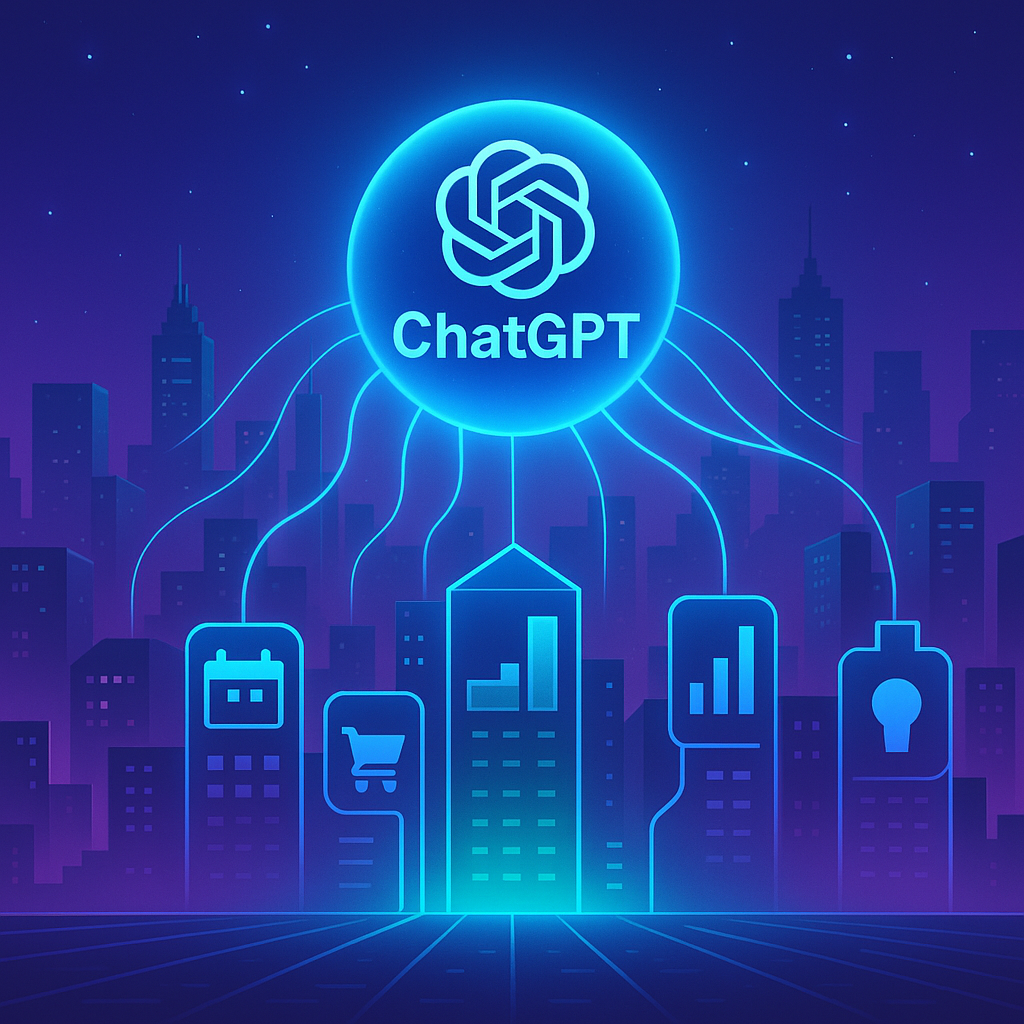
The future of plugin AI is full of exciting possibilities. As technology grows, plugins will become smarter and more specialized. New plugin types will appear for industries such as healthcare, finance, and education. For example, a health plugin could help users track symptoms or book doctor visits, while a finance plugin could give real time stock updates. These ideas show that ChatGPT Plugins will move beyond simple tasks and start handling more complex problems. For developers this means more chances to create tools that change how people use artificial intelligence in daily life.
The role of the developer community will be more important in the future. Developers can use resources like developer tools chrome or developer for ios to design plugins that work smoothly across different systems. With support from ChatGPT OpenAI, more developers will join the ecosystem and bring fresh ideas. This growth will also encourage collaboration between teams from different fields. A single plugin might combine skills from coding, design, and business. Such cooperation will make plugins more powerful and practical for users worldwide.
ChatGPT OpenAI will continue to guide the development of the ecosystem. The organization sets standards to keep plugins safe, reliable, and useful. By improving the ChatGPT API and updating the ChatGPT Plugin Store, OpenAI makes it easier for developers to publish and distribute their work. This support will help the plugin ecosystem expand faster. It also builds trust for users who want to know that plugins follow clear rules and high quality checks.
Looking ahead, the growth of ChatGPT Plugins will depend on constant innovation, strong developer support, and guidance from OpenAI. Developers who act early will gain a strong position in this ecosystem. As more plugin types are created, the value of ChatGPT will increase for businesses, students, and everyday users. The combination of creativity, technology, and a growing market shows why the future of ChatGPT Plugins is promising and full of opportunities.
The growth of ChatGPT Plugins shows how much value they can bring to both users and developers. With plugins, ChatGPT is no longer only a tool for conversation. It becomes a real assistant that can help with business work, creative projects, and daily study or research. For developers this is a strong chance to build tools that reach many people, create income, and solve real problems.
There are still some challenges like cost, safety, and technical issues, but these also give space for new ideas. Developers who can create safe, low cost, and reliable plugins will succeed in this fast growing ecosystem. The future will bring more new plugin types, stronger support from the community, and better guidance from ChatGPT OpenAI.
If you want to learn more about artificial intelligence, plugins, and digital content, you can visit Iceberg AI Content. It is a helpful resource for understanding how these tools work and why ChatGPT Plugins are becoming the best choice for developers today.
Many people ask if ChatGPT can read files or listen to audio. With the help of ChatGPT Plugins, the answer is yes. A plugin can let ChatGPT open and read a PDF file and give a clear summary. Another plugin can allow ChatGPT to transcribe audio into text. These tools are very useful for students, researchers, and businesses who need quick results.
Another common question is if ChatGPT can watch or analyze videos. On its own ChatGPT cannot do this, but with plugins it becomes possible. A plugin can take information from a video and then provide analysis or notes. This makes ChatGPT more than a text tool. It can help creators, teachers, and companies save time when working with visual content.
Many users also want to know which version of ChatGPT works best with plugins. While ChatGPT 3.5 can support some features, the Plus plan and higher models are better. They offer faster speed, stronger performance, and more stable results. Developers also prefer these models because they allow better testing of plugins. Choosing the right version makes a big difference in how well plugins work.






Can you be more specific about the content of your article? After reading it, I still have some doubts. Hope you can help me. https://accounts.binance.info/pt-BR/register-person?ref=GJY4VW8W
Thanks for sharing. I read many of your blog posts, cool, your blog is very good.